
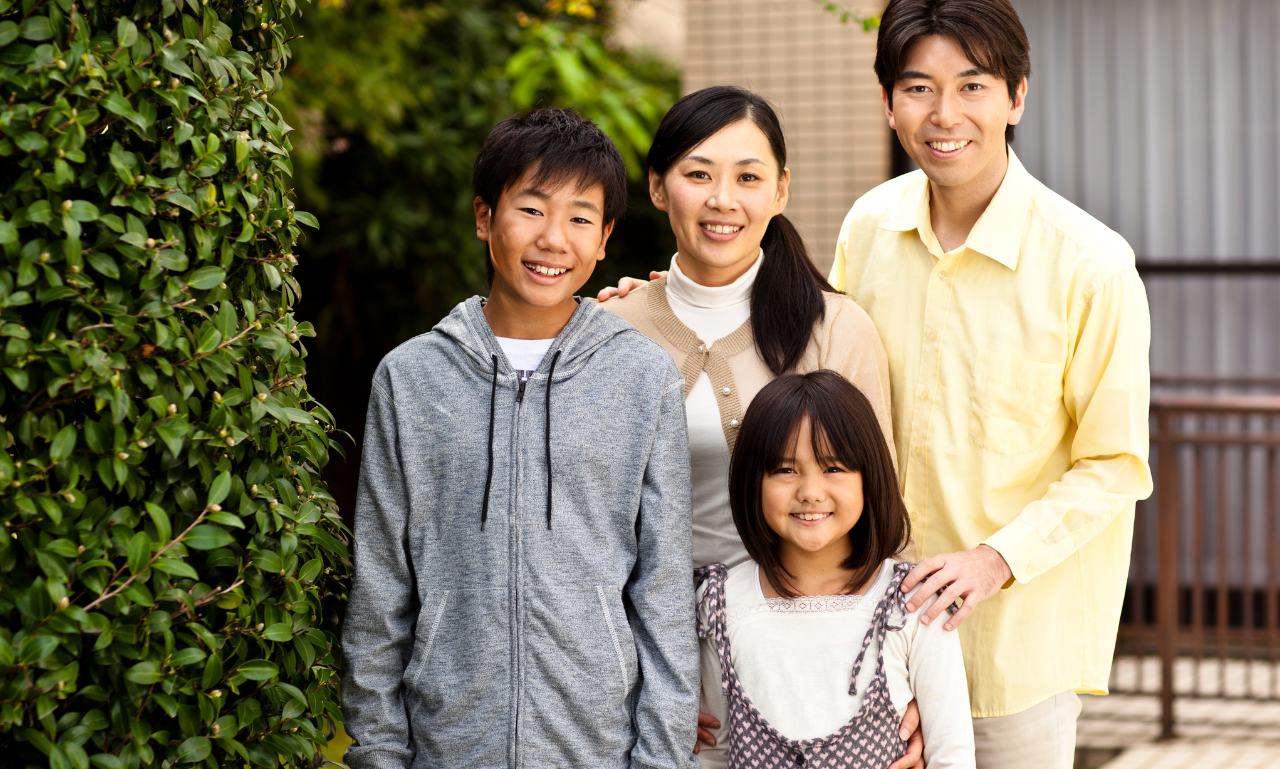
Japanese last names had lots of stories attached to them, such as nature, family history, and regional customs. A large number of Japanese name variations are based on mountains, rivers, seasons, and jobs from the past. Knowing these names helps you understand the culture and the stories behind each family better. This guide looks at what they mean, where their origins come from, and some beautiful names that go well with them.
Most Common Japanese Boys’ Last Names and Their Meanings
Japanese last names often reflect the land where families once lived.
- Abe – 安部
Meaning: peaceful family - Amano – 天野
Meaning: heavenly field - Ando – 安藤
Meaning: peaceful wisteria - Arai – 新井
Meaning: new well - Arakawa – 荒川
Meaning: rough river - Asano – 浅野
Meaning: shallow field - Baba – 馬場
Meaning: horse stable / riding ground - Chiba – 千葉
Meaning: thousand leaves - Deguchi – 出口
Meaning: exit / gateway - Endo – 遠藤
Meaning: distant wisteria - Esaki – 江崎
Meaning: river cape - Fujii – 藤井
Meaning: wisteria well - Fujimoto – 藤本
Meaning: base of the wisteria - Fujita – 藤田
Meaning: wisteria rice field - Fukuda – 福田
Meaning: blessed rice field - Funaki – 船木
Meaning: boat + tree - Furukawa – 古川
Meaning: old river - Goto – 後藤
Meaning: later wisteria - Hamada – 浜田
Meaning: beach rice field - Hanaoka – 花岡
Meaning: flower hill - Harada – 原田
Meaning: field plain - Haruna – 春名
Meaning: spring name - Hayakawa – 早川
Meaning: fast river - Hayashi – 林
Meaning: forest - Higuchi – 樋口
Meaning: water spout mouth - Hino – 日野
Meaning: sun field - Hirano – 平野
Meaning: flat field - Hirose – 広瀬
Meaning: wide shallows - Hoshino – 星野
Meaning: star field - Ichikawa – 市川
Meaning: city river - Inaba – 稲葉
Meaning: rice plant leaves - Inoue – 井上
Meaning: above the well - Irie – 入江
Meaning: bay inlet - Ishibashi – 石橋
Meaning: stone bridge - Ishida – 石田
Meaning: stone rice field - Ishikawa – 石川
Meaning: stone river - Ishii – 石井
Meaning: stone well - Isono – 磯野
Meaning: beach field - Kameda – 亀田
Meaning: turtle rice field - Kamiyama – 神山
Meaning: god mountain - Kaneko – 金子
Meaning: gold child - Kawada – 川田
Meaning: river rice field - Kawaguchi – 川口
Meaning: river mouth - Kawahara – 川原
Meaning: river plain - Kawamoto – 川本
Meaning: origin of the river - Kawasaki – 川崎
Meaning: river cape - Kinoshita – 木下
Meaning: under the tree - Kiryu – 桐生
Meaning: paulownia tree + life - Kitagawa – 北川
Meaning: north river - Kitamura – 北村
Meaning: north village
Regional Influence on Japanese Last Names
- Inoue – 井上
Meaning: “Above the well” – common in farming regions. - Kanda – 神田
Meaning: “God’s rice field” – linked to shrine-owned lands. - Harada – 原田
Meaning: “Field by the plains” – common in western Japan. - Tsuchiya – 土屋
Meaning: “Earth house” – tied to rural settlements. - Miyazaki – 宮崎
Meaning: “Shrine cape” – common in Kyushu. - Nakagawa – 中川
Meaning: “Middle river” – found near river regions. - Kuroda – 黒田
Meaning: “Black rice field” – associated with Kyushu clans. - Okamoto – 岡本
Meaning: “Base of the hill” – seen in hilly regions. - Fukuda – 福田
Meaning: “Blessed rice field” – linked to fertile farming areas. - Abe – 阿部
Meaning: “A clan from Abe region” – ancient aristocratic lineage. - Umeda – 梅田
Meaning: “Plum field” – common near Kansai. - Nakajima – 中島
Meaning: “Middle island” – often from coastal towns. - Kitamura – 北村
Meaning: “North village” – indicates northern settlements. - Nakata – 中田
Meaning: “Central rice field” – common across Japan’s plains. - Yamamoto – 山本
Meaning: “Base of the mountain” – widespread in mountainous regions. - Iwata – 岩田
Meaning: “Rocky rice field” – tied to stony landscapes. - Shimada – 島田
Meaning: “Island rice field” – from island regions. - Morioka – 盛岡
Meaning: “Prosperous hill” – linked to Tohoku region. - Taniguchi – 谷口
Meaning: “Mouth of the valley” – mountainous origins. - Higuchi – 樋口
Meaning: “Water pipe entrance” – tied to irrigation regions. - Oshima – 大島
Meaning: “Big island” – common in island prefectures. - Kusaka – 日下
Meaning: “Below the sun” – ancient regional surname. - Takashima – 高島
Meaning: “High island” – linked to elevated coastal lands. - Sugiyama – 杉山
Meaning: “Cedar mountain” – common in forested areas. - Kawabata – 川端
Meaning: “River’s edge” – common in canal towns. - Mizuno – 水野
Meaning: “Watery plain” – areas with large water access. - Tsunoda – 角田
Meaning: “Horn-shaped rice field” – regional field shape reference. - Tamura – 田村
Meaning: “Rice field village” – widespread in farming regions. - Yoshida – 吉田
Meaning: “Lucky rice field” – old shrine regions. - Hisamatsu – 久松
Meaning: “Long-lasting pine” – coastal pine regions. - Ishihara – 石原
Meaning: “Stone plains” – rocky landscapes. - Nishikawa – 西川
Meaning: “West river” – western settlements. - Moriyama – 森山
Meaning: “Forest mountain” – forested highlands. - Sakakibara – 榊原
Meaning: “Sacred tree field” – Shinto priest regions. - Uchida – 内田
Meaning: “Inner rice field” – central agricultural areas. - Hasegawa – 長谷川
Meaning: “Long valley river” – mountainous river regions. - Kawamoto – 川本
Meaning: “River source” – upstream regions. - Fukumoto – 福本
Meaning: “Origin of blessings” – historical settlements. - Otsuki – 大月
Meaning: “Big moon” – name from old clan territory. - Miyahara – 宮原
Meaning: “Shrine plains” – regions near old shrines. - Kuriyama – 栗山
Meaning: “Chestnut mountain” – chestnut tree regions. - Tachibana – 橘
Meaning: “Mandarin orange tree” – ancient noble clan. - Hino – 日野
Meaning: “Sun field” – regions with open plains. - Kawakami – 川上
Meaning: “Upstream river” – mountain river villages. - Masuda – 増田
Meaning: “Expanded rice field” – developed farmland. - Takeuchi – 竹内
Meaning: “Within the bamboo” – bamboo-growing regions. - Yamaguchi – 山口
Meaning: “Mountain entrance” – common in hilly prefectures. - Matsuura – 松浦
Meaning: “Pine bay” – coastal pine regions. - Endo – 遠藤
Meaning: “Distant wisteria” – historic Tohoku clan. - Ando – 安藤
Meaning: “Peaceful wisteria” – derived from regional clan lines.
Samurai Family Names and Their Legacy
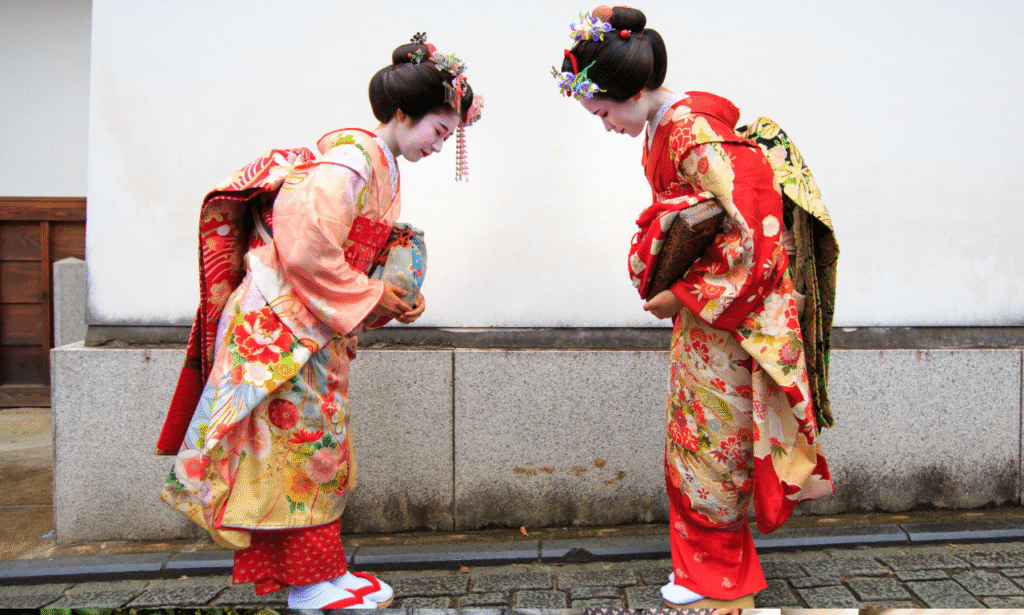
Many Japanese last names trace back to powerful samurai clans whose honor, discipline, and loyalty shaped the country’s history. These names still carry a sense of strength and heritage.
- Ando – 安藤
Meaning: “Peaceful wisteria” – derived from regional clan lines. - Takeda – 武田
Meaning: “Martial rice field” – famous samurai clan from Kai Province. - Uesugi – 上杉
Meaning: “Upper cedar” – a powerful and noble warrior family. - Date – 伊達
Meaning: “Elegant, distinguished” – known for bold samurai leaders in Sendai. - Sanada – 真田
Meaning: “True rice field” – heroic samurai clan from Shinano Province. - Oda – 織田
Meaning: “Woven rice field” – the clan of Oda Nobunaga, a legendary warlord. - Tokugawa – 徳川
Meaning: “River of virtue” – shogunate rulers of Edo Japan. - Akechi – 明智
Meaning: “Bright wisdom” – samurai family known for intelligence and strategy. - Hosokawa – 細川
Meaning: “Narrow river” – influential feudal lords in multiple provinces. - Shimazu – 島津
Meaning: “Island harbor” – powerful clan from Satsuma domain. - Mōri – 毛利
Meaning: “Forest of abundance” – famous for control of western Japan regions. - Hattori – 服部
Meaning: “Clothing division” – legendary samurai and ninja lineage. - Asakura – 朝倉
Meaning: “Morning storehouse” – historic samurai family in Echizen Province. - Saitō – 斎藤
Meaning: “Purified wisteria” – warrior family prominent in Mino Province. - Minamoto – 源
Meaning: “Source, origin” – one of the original imperial warrior clans. - Taira – 平
Meaning: “Peace, flat land” – ancient samurai family, rivals of Minamoto. - Chosokabe – 長宗我部
Meaning: “Long ancestral clan” – rulers of Tosa Province. - Kuroda – 黒田
Meaning: “Black rice field” – influential samurai in Chikuzen Province. - Ii – 井伊
Meaning: “Well of good fortune” – samurai family from Mikawa Province. - Nabeshima – 鍋島
Meaning: “Pot island” – lords of Saga Domain, famous warriors. - Ouchi – 大内
Meaning: “Great interior” – prominent warlord family in western Japan. - Ashikaga – 足利
Meaning: “Leg + branch” – shogunate family that ruled during Muromachi period. - Imagawa – 今川
Meaning: “Current river” – powerful family in Suruga Province. - Mori – 森
Meaning: “Forest” – samurai clan from western Japan. - Akamatsu – 赤松
Meaning: “Red pine” – samurai family from Harima Province. - Amago – 尼子
Meaning: “Nun child” – rulers of Izumo region during Sengoku period. - Hatakeyama – 畠山
Meaning: “Rice field mountain” – a samurai family from northern Japan. - Nagao – 長尾
Meaning: “Long tail” – prominent samurai family in Echigo Province. - Hōjō – 北条
Meaning: “Northern castle” – regents of the Kamakura shogunate. - Ōtomo – 大友
Meaning: “Great friend” – samurai clan from Kyushu. - Kikkawa – 吉川
Meaning: “Lucky river” – warriors serving the Mōri clan. - Asai – 浅井
Meaning: “Shallow well” – samurai family in Omi Province. - Miyoshi – 三好
Meaning: “Three goodness” – clan ruling central Japan in Sengoku era. - Ogasawara – 小笠原
Meaning: “Small bamboo hat” – samurai family with military influence. - Katō – 加藤
Meaning: “Increase wisteria” – samurai from Mino and Owari Provinces. - Nakagawa – 中川
Meaning: “Middle river” – samurai family from western regions. - Chiba – 千葉
Meaning: “Thousand leaves” – family of warriors in Chiba Prefecture. - Hino – 日野
Meaning: “Sun field” – samurai lineage with imperial ties. - Matsudaira – 松平
Meaning: “Pine plain” – branch family of Tokugawa shogunate. - Nagatsuka – 長塚
Meaning: “Long mound” – samurai family from northern provinces. - Rokkaku – 六角
Meaning: “Six corners” – ruling samurai clan from Omi Province. - Sagara – 相良
Meaning: “Mutual goodness” – clan in southern Kyushu. - Sanjo – 三条
Meaning: “Three lines” – court and samurai family from Kyoto. - Shimokawa – 下川
Meaning: “Lower river” – warriors from northern Japan. - Sugawara – 菅原
Meaning: “Reed plain” – historically court nobles and samurai. - Takigawa – 滝川
Meaning: “Waterfall river” – military family from central Japan. - Tsuchiya – 土屋
Meaning: “Earth house” – influential local samurai family. - Yanagisawa – 柳沢
Meaning: “Willow swamp” – loyal retainers of Tokugawa shogunate. - Yagyu – 柳生
Meaning: “Willow life” – famous for swordsmanship and martial tradition. - Yamanouchi – 山内
Meaning: “Within the mountains” – rulers in western Japan.
Last Names Inspired by Mountains, Rivers, and Seasons
Many Japanese last names reflect nature, showing the deep connection families had with their surroundings. Names often refer to mountains, rivers, or seasonal landscapes, highlighting geography, climate, and the beauty of the natural world.
- Takayama – 高山
Meaning: “High mountain” – common in hilly and mountainous regions. - Yamaguchi – 山口
Meaning: “Mountain entrance” – indicates homes near a mountain pass. - Fujikawa – 藤川
Meaning: “Wisteria river” – often used by families living along rivers. - Matsuyama – 松山
Meaning: “Pine mountain” – found in regions with pine-covered hills. - Kawasaki – 川崎
Meaning: “River cape” – coastal or riverside communities. - Taniguchi – 谷口
Meaning: “Mouth of the valley” – families settled in valleys. - Hoshikawa – 星川
Meaning: “Star river” – poetic reference to rivers reflecting the sky. - Nagatani – 長谷
Meaning: “Long valley” – used in elongated valleys. - Okuyama – 奥山
Meaning: “Inner mountain” – families living deep in mountains. - Kawamoto – 川本
Meaning: “River source” – upstream river settlements. - Yamanaka – 山中
Meaning: “Within the mountain” – homes in mountainous terrain. - Mizutani – 水谷
Meaning: “Water valley” – indicates valleys with abundant water. - Takigawa – 滝川
Meaning: “Waterfall river” – families near waterfalls. - Shimizu – 清水
Meaning: “Pure water” – linked to natural springs or rivers. - Kawashima – 川島
Meaning: “River island” – riverbank communities. - Fujiyama – 富士山
Meaning: “Mount Fuji” – families living near the iconic mountain. - Yamashita – 山下
Meaning: “Below the mountain” – foot-of-the-mountain residences. - Tanikawa – 谷川
Meaning: “Valley river” – used in valley river regions. - Higashiyama – 東山
Meaning: “Eastern mountain” – eastern hillside communities. - Kitagawa – 北川
Meaning: “North river” – settlements along northern rivers. - Minamikawa – 南川
Meaning: “South river” – southern river locations. - Aokawa – 青川
Meaning: “Blue river” – rivers with clear water. - Haruyama – 春山
Meaning: “Spring mountain” – indicates mountains beautiful in spring. - Akikawa – 秋川
Meaning: “Autumn river” – river regions known for autumn scenery. - Fuyuyama – 冬山
Meaning: “Winter mountain” – snow-covered mountains in winter. - Nishiyama – 西山
Meaning: “Western mountain” – mountains to the west of settlements. - Midorikawa – 緑川
Meaning: “Green river” – rivers surrounded by greenery. - Takeda – 武田
Meaning: “Martial rice field” – mountainous farmland regions. - Iwakawa – 岩川
Meaning: “Rock river” – rivers flowing through rocky terrain. - Yamamoto – 山本
Meaning: “Base of the mountain” – common in foothill areas. - Tanikawa – 谷川
Meaning: “Valley river” – settlements in valleys with rivers. - Kawasaki – 川崎
Meaning: “River cape” – families near river bends or coasts. - Harukawa – 春川
Meaning: “Spring river” – rivers surrounded by spring blooms. - Akiyama – 秋山
Meaning: “Autumn mountain” – mountains showing autumn foliage. - Fuyukawa – 冬川
Meaning: “Winter river” – river regions in snowy areas. - Matsukawa – 松川
Meaning: “Pine river” – rivers lined with pine trees. - Kawahara – 川原
Meaning: “River plain” – flat lands near rivers. - Yamakawa – 山川
Meaning: “Mountain river” – rivers flowing from mountains. - Sakurayama – 桜山
Meaning: “Cherry blossom mountain” – mountains with cherry trees. - Shirakawa – 白川
Meaning: “White river” – rivers with clear or foamy water. - Kawakita – 川北
Meaning: “North of the river” – northern riverbank settlements. - Takahara – 高原
Meaning: “High plain” – elevated plains near mountains. - Hirayama – 平山
Meaning: “Flat mountain” – gentle slopes or plateaus. - Yoshikawa – 吉川
Meaning: “Lucky river” – prosperous river regions. - Miyakawa – 宮川
Meaning: “Shrine river” – rivers near shrines. - Okutani – 奥谷
Meaning: “Inner valley” – homes deep in valleys. - Higashikawa – 東川
Meaning: “East river” – eastern river settlements. - Nishikawa – 西川
Meaning: “West river” – western river regions. - Fujitani – 藤谷
Meaning: “Wisteria valley” – scenic valley areas with wisteria. - Kawamura – 川村
Meaning: “River village” – villages along rivers.
Final Thoughts on Japanese Last Names
Japanese last names are more than just names they are living symbols of the past, culture, and heritage. Every name tells a story about ancestors, places, and traditions, reconnecting modern generations to the bravery, wisdom, and beauty of Japan’s past. To understand them is to go deeply into what it implies being Japanese.